

India ITME Unveils Bold Vision For India's Textile Engineering Future
India ITME isn't thinking
bigger. It's thinking bolder.
As preparations gather pace
for India's biggest textile machinery exhibition, the India ITME Society is
expanding its ambition well beyond exhibition stands and machine
demonstrations. The goal is to make the event the industry's most influential
platform, not just for technology, but for investment, policy, collaboration
and the future of Indian textile engineering.
"Technology will
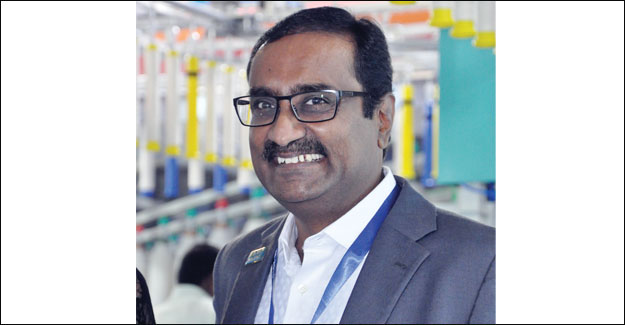
always remain our mainstay," says Ketan Sanghvi, Chairman of India ITME
Society, and Director – Laxmi Looms. "But today the industry needs much
more than technology."
That means global thought leaders will deliberate on the future of manufacturing and there will be dedicated sessions on sustainability and digitalisation.
And, for the first time, it
means bringing governments, banks, buyers and manufacturers to the same table
to unlock fresh investment into India's textile machinery sector.
But behind this bigger
vision lies an even bigger challenge.
According to Mr Sanghvi, "India has the engineering talent. It has entrepreneurial spirit and it has one of the
world's largest textile industries. Yet the country's textile machinery
manufacturers continue to battle structural hurdles that make scaling up far
harder than it should be.”
Mr. Sanghvi believes the industry has reached a point where it needs to stop thinking small.
“With nearly 3,500
manufacturers, most operating as MSMEs, the sector remains highly fragmented.
Instead of thousands of small players competing individually, we need globally
competitive champions - companies strengthened through consolidation, strategic
partnerships, joint ventures and patient capital,” he believes.
Just as critical is
building India's component ecosystem.
“Even today, manufacturers
continue to depend on imports for key technologies such as servo motors, PLCs,
precision bearings, dobbies and jacquards. Every imported component means
higher costs, longer lead times, exposure to currency fluctuations and
vulnerability to global supply chain disruptions.”
His solution?
“Encourage component
manufacturing in India through targeted incentives, potentially extending
PLI-style support to critical engineering components.”
He also points to what he
sees as one of the industry's biggest contradictions. Domestic manufacturers
often pay duty on imported components used to build machinery in India, while
complete imported machines can enter under far more favourable duty structures.
"Why would anyone
invest in manufacturing in India if it's cheaper to import?" is the
question he believes policymakers must answer.
Yet the message isn't one
of confrontation; it's one of collaboration.
The Chairman repeatedly
stresses that textile machinery makers and textile manufacturers must work
together more closely, giving Indian engineering companies the opportunity and
the confidence to develop world-class machines tailored to industry needs instead
of defaulting to imported technology.
That's the future India
ITME wants to champion.
Because when the exhibition
opens its doors, the spotlight won't just be on the latest machines. It will be
on a far bigger question: Can India build the world's next textile engineering
powerhouse? The India ITME Society believes the answer is yes - but only if
industry, policymakers, and investors build that future together.
With nearly 3,500 manufacturers, most operating as MSMEs, the sector remains highly fragmented. Instead of thousands of small players competing individually, we need globally competitive champions - companies strengthened through consolidation, strategic partnerships, joint ventures and patient capital,” - Ketan Sanghvi
Subscribe To Textile Excellence Print Edition
If you wish to Subscribe to Textile Excellence Print Edition, kindly fill in the below form and we shall get back to you with details.


Newsletter
Subscribe To Textile Excellence Mailing List


- December 09, 2022
'There Is Very High Acceptance For India

- December 09, 2022
'Advanced Machines & Service, Customer C

- October 09, 2023
First-time In The World: Rieter’s Auto

- July 28, 2026
Arvind Eyes Leadership In India's Premiu

- June 01, 2020
Karl Mayer Enables Automated Production

- June 05, 2023
Ultimax - All New Revolutionary Rapier W

- June 09, 2025
DyStar Becomes A Wholly Owned Subsidiary
- July 28, 2026